ELO Blog: Insights in Digital Transformation

ELO ECM for mobile devices

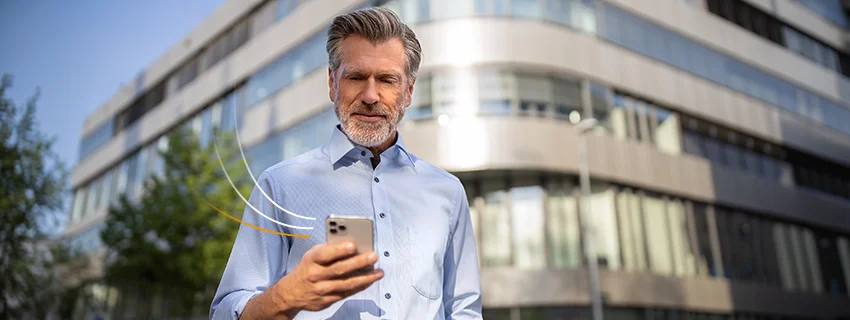
How Do We Enable Secure Access to ECM Content via Mobile Devices for Remote Workers?

5 min
The modern workforce is no longer tethered to a single location. With the rapid shift to remote and hybrid work models, employees expect seamless, secure access to business-critical information—anytime, anywhere. For organizations using Enterprise Content Management (ECM) systems, enabling secure mobile access is now a necessity, not a luxury. But with convenience comes risk. Mobile devices are inherently more vulnerable than traditional desktops. They’re easily lost or stolen, often used on unsecured networks, and may lack robust security controls.
Digital Signature vs. Electronic Signature

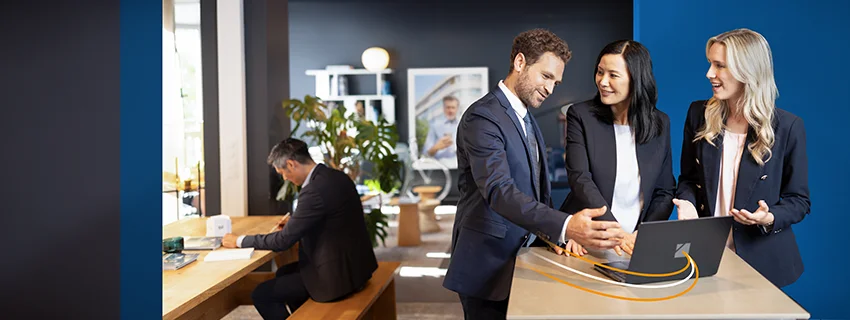
Digital Signature vs. Electronic Signature: Understanding the Difference and Practical Usage

3 min
In today’s fast-paced, digitized business environment, organizations are increasingly moving away from paper-based processes. Among the most significant shifts is the adoption of electronic and digital signatures. While these terms are often used interchangeably, they have distinct meanings, legal implications, and practical applications—especially in industries where compliance and security are paramount. This article clarifies the difference between digital signatures and electronic signatures, explores their use cases, and provides guidance on choosing the right solution for your organization.
AI-Powered Digital Mailrooms

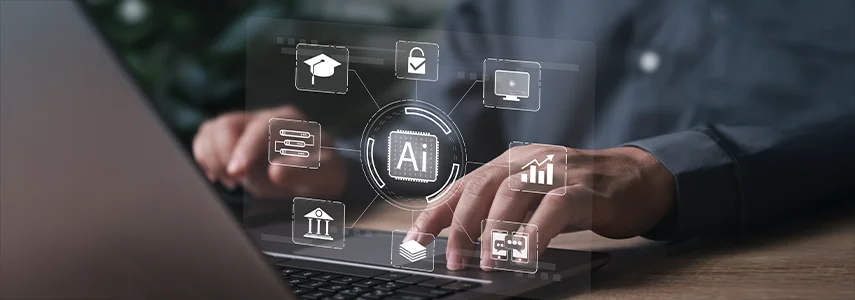
AI-Powered Digital Mailrooms: The Future of Enterprise Document Management

2 min
Mailrooms have long been the backbone of enterprise communication, but traditional mail processing—characterized by stacks of paper, manual sorting, and slow distribution—has become a significant bottleneck for modern organizations. Manual mailrooms are prone to errors, delays, and high operational costs, especially as businesses now receive documents through a mix of physical mail, emails, digital forms, and other electronic channels. This complexity has highlighted the urgent need for a smarter, more efficient approach.